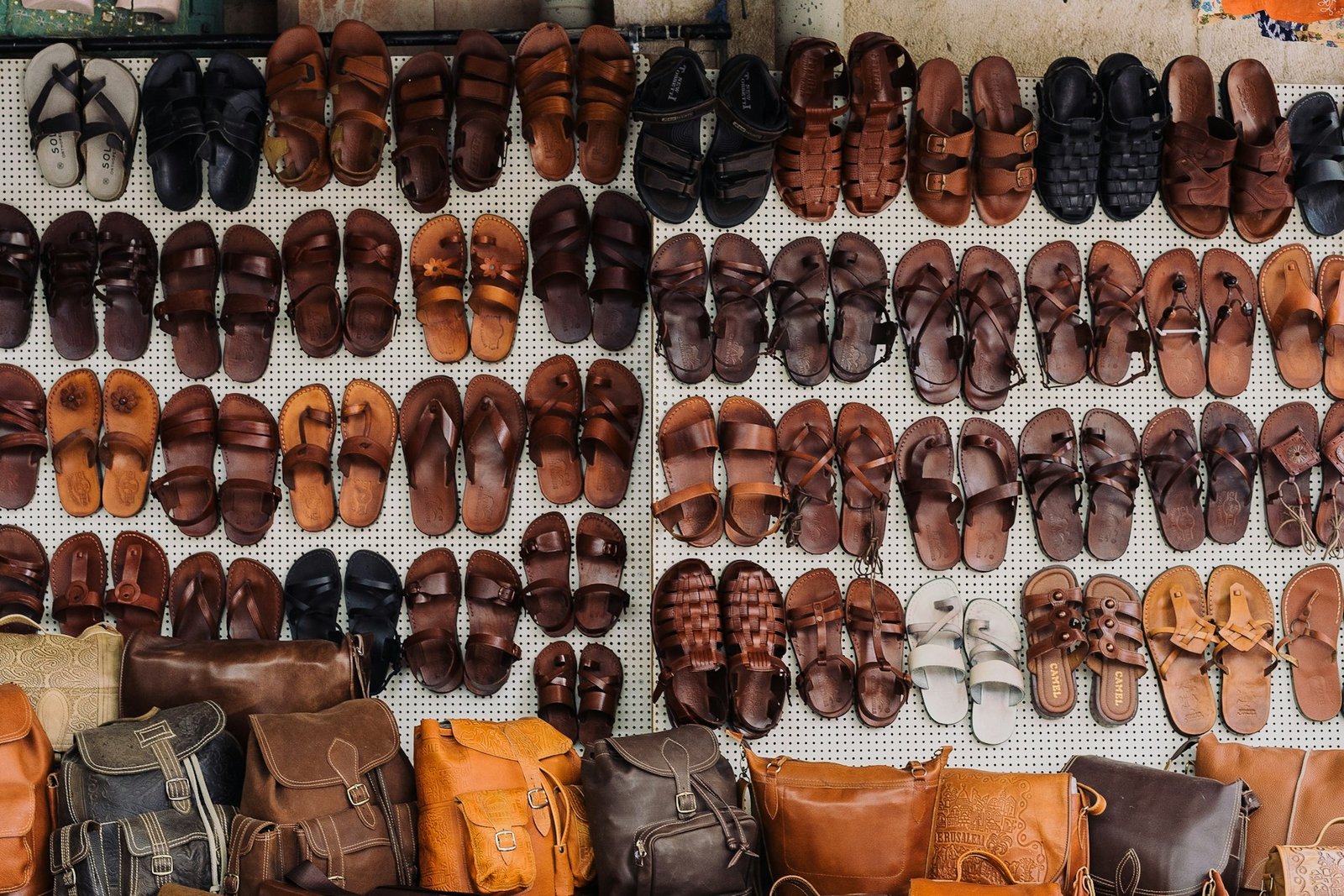
Fes and Marrakech are useful starting points for buying authentic Moroccan leather goods. Their medinas bring together leather shops, workshops and traditional crafts, with products ranging from babouche slippers and small wallets to bags, jackets and poufs. The most rewarding purchase is one whose materials, maker and construction you understand.
Shopping in a historic souk can be part of a memorable Morocco journey. Give yourself time to compare pieces, ask questions and inspect the exact item you plan to take home. This guide explains where to begin and what to check before paying.
Where to buy Moroccan leather goods
Place | Why visit | What to check |
|---|---|---|
Fes medina | A setting for exploring leatherwork alongside the city’s wider craft traditions | Who made the item, the hide used and the quality of its construction |
Ensemble d’Artisanat de Fès | A craft destination listed by Maison de l’Artisan, including leather goods | Current opening arrangements and which makers are represented |
Marrakech medina and souks | A place to compare leather accessories, slippers and other handcrafted pieces | Materials, workmanship and the agreed price for the exact item |
A workshop or maker’s own shop | An opportunity to ask direct questions about production and customization | Whether the seller makes the goods and which work is done locally |
1. Explore leatherwork in Fes
Fes is a natural place to include leather shopping in a cultural visit. Morocco’s national tourism office highlights the leather goods found in the city’s medina souks, making a walk through the craft streets a useful starting point. Read its introduction to Moroccan craftsmanship.
Visit more than one seller before choosing an expensive item. Ask whether the shop makes its products or buys from other workshops, and whether you can learn about the production process. A tannery visit can add context to the craft, but assess a finished bag or jacket on its own quality and the seller’s answers.
If a viewing terrace, workshop explanation or guided visit is offered, agree on any fee beforehand and clarify whether a purchase is expected. You should have time to consider an item and compare it with alternatives.
For wider sightseeing ideas, read our Fes medina travel guide.
A craft centre to research before your visit
Maison de l’Artisan lists the Ensemble d’Artisanat de Fès among regional craft destinations and identifies leather goods among its crafts. Use that official listing as a starting point, then confirm current opening arrangements and available workshops before traveling. Check Maison de l’Artisan’s Fes–Meknes directory.
2. Compare leather goods in Marrakech’s souks
Marrakech is another practical base for leather shopping. Its medina offers the chance to combine browsing with sightseeing, food stops and other crafts. The Moroccan National Tourist Office’s Marrakech shopping guide describes the Semmarine souk area and leather goods, including babouches, in the surrounding craft streets. Explore its Marrakech shopping guide.
Start with a small shortlist of products rather than trying to inspect every shop. For example, compare three bags of a similar size and material, or try several pairs of slippers before deciding. Take breaks between shops so you can judge the pieces without rushing.
Ask whether prices are fixed or negotiable. If bargaining is part of the sale, keep the conversation friendly and focus on the item you actually want. A low price matters less if the handles, fastenings or fit will not work for you.
What does authentic Moroccan leather mean?
There are several separate questions behind the word authentic. Is the material animal leather? Was the item made in Morocco? Which workshop made it? How much of the work was done by hand? These answers describe different aspects of a product.
Ask the seller to identify the material and place of manufacture, and to put important claims on the receipt. A Moroccan design alone does not establish where an item was made. Likewise, a handmade description does not tell you which hide, lining or finish was used.
Use visual and handling checks to assess workmanship, while asking for clear material information. Grain, softness and smell vary with the hide and finishing process, so none provides a complete authenticity check by itself.
A practical leather quality checklist
Stitching. Look along seams, corners and strap attachments for loose threads, gaps or visibly weak joins.
Edges and lining. Inspect accessible edges and the inside of the piece. Ask what the lining and any reinforced panels are made from.
Fastenings. Open and close zips, buckles and clasps several times with the seller’s permission.
Handles and straps. Check the attachment points and whether the length and width feel comfortable.
Surface and finish. Examine the item in good light for damage or uneven finishing that concerns you. Ask the seller about care and possible colour transfer.
Fit and function. Try slippers and jackets carefully, and check that a bag holds what you intend to carry.
Natural variations can be part of a leather item’s appearance. Judge those alongside the overall construction and how you will use the piece. For an expensive purchase, request written material details and a clear explanation of returns or repairs.
Which leather products are worth considering?
Babouche slippers. Check sizing, sole construction and whether the pair is intended for indoor use or outdoor walking. Try both feet before buying.
Bags and wallets. Test compartments, card slots, closures and shoulder straps. Ask whether every visible panel is leather and what material is used inside.
Poufs. Confirm dimensions and whether the price includes filling. Ask about the underside closure, seams and how the pouf can be packed for transport.
Jackets. Check shoulder movement, sleeve length, lining and zip quality. If alterations are offered, agree on the measurements, completion date and final inspection before paying the balance.
A small item can be a practical first purchase when you want to support a maker but have limited luggage space.
How much should you budget?
There is no single reliable price for a Moroccan leather bag or pair of slippers. Size, hide, construction, finish, customization and the selling arrangement all affect the amount. Compare similar products and decide what the workmanship and usefulness are worth to you.
Confirm the currency and final price before paying. For several items, ask for an itemized receipt rather than a single unexplained total. Keep the shop’s contact details with your proof of purchase.
Buying online or arranging delivery
If you plan to order after returning home, ask for photographs of the actual item, its dimensions, material description and seller contact details. Check the return process and payment arrangements before placing the order.
For shipping, obtain a written quote showing the delivery address, dispatch date, tracking arrangements and who handles loss or damage. Check your destination country’s import requirements and any charges with its official customs authority. For unusual materials or hides, confirm the species and applicable restrictions before buying.
For a custom order, agree on colour, dimensions, lining, hardware, delivery date and what happens if the finished piece differs from the agreement.
Make time for shopping within your Morocco itinerary
A craft visit works best when you have time to look, ask questions and leave without rushing to a long transfer. Plan it on a city day, or keep it optional within a wider programme.
If you are booking a guided visit, explain whether you want craft demonstrations, independent browsing or shopping time. Ask how shops are selected, whether any referral commission applies and whether purchases are optional.
Adventure to Morocco’s four-day Marrakech to Fes desert route can connect a Sahara journey with a stay in Fes. Its five-day northern Morocco circuit also includes Fes among its city stops. Discuss extra time for the medina when requesting your programme, and confirm whether a guided craft visit is included or arranged separately.
Ask Adventure to Morocco about a cultural itinerary with time for the places and crafts that interest you. Share your starting city, dates and preferred pace so shopping fits comfortably into the wider journey.
Frequently asked questions
Is Fes or Marrakech better for buying leather?
Both are useful places to explore. Choose according to your route, available time and the makers you want to visit. Compare workmanship and material information at each shop.
Does a strong leather smell prove an item is authentic?
Smell alone cannot establish the material, production method or quality. Ask for material details and inspect the stitching, lining, edges and fastenings.
Should I bargain when buying Moroccan leather goods?
Ask whether the price is fixed. Where bargaining is part of the sale, negotiate politely after comparing similar pieces and agreeing on the exact item.
Can I bring a leather pouf home in my luggage?
Ask whether it is sold filled or unfilled, check its packed dimensions and compare them with your baggage allowance. Confirm any relevant import requirements for your destination.
Can a tour organizer guarantee a shop’s leather quality?
A recommendation can help you find places to visit, but the seller should confirm the materials, price and after-sales terms. Keep those details on your receipt for any significant purchase.